How to Choose the Right Dune Buggy for Desert Driving in Dubai
Choosing a dune buggy is less about picking the flashiest machine and more about matching the vehicle to the terrain, the driver and the kind of outing planned. Desert conditions can change quickly. Soft sand, firm tracks, heat and uneven slopes all place different demands on an off-road vehicle. A careful choice makes the drive smoother and safer from the start.
The process is simple when it is broken into clear decisions. Look at the terrain first, then the vehicle, then the safety setup and practical details. Each step narrows the options and helps avoid common mistakes, such as choosing too much power for a beginner or too little capability for deep sand.
Start with the terrain you plan to drive
Begin by thinking about where the buggy will be used. Sand dunes vary widely. Some areas have broad, gentle ridges, while others have steep faces, sharp turns and loose sections that demand more control. If the route is mostly open desert with long stretches of rolling sand, stability and comfort matter a great deal. If the route includes tight dune climbs and descents, low-speed control and a strong suspension become more important.
Desert terrain also changes with weather and traffic. After windy days, sand may be softer in some places and firmer in others. Repeated tracks can cut into the surface and create ruts. A buggy that feels easy on firm ground may feel nervous in deep sand, so it is wise to choose with the hardest likely conditions in mind rather than the easiest ones.
When comparing options on dune-buggy-dubai.net, focus on the sort of driving the buggy is suited to, not only its appearance. A rugged frame, sensible weight and a suspension built for rough ground usually matter more than bold colours or decorative parts.
Match the buggy to the driver
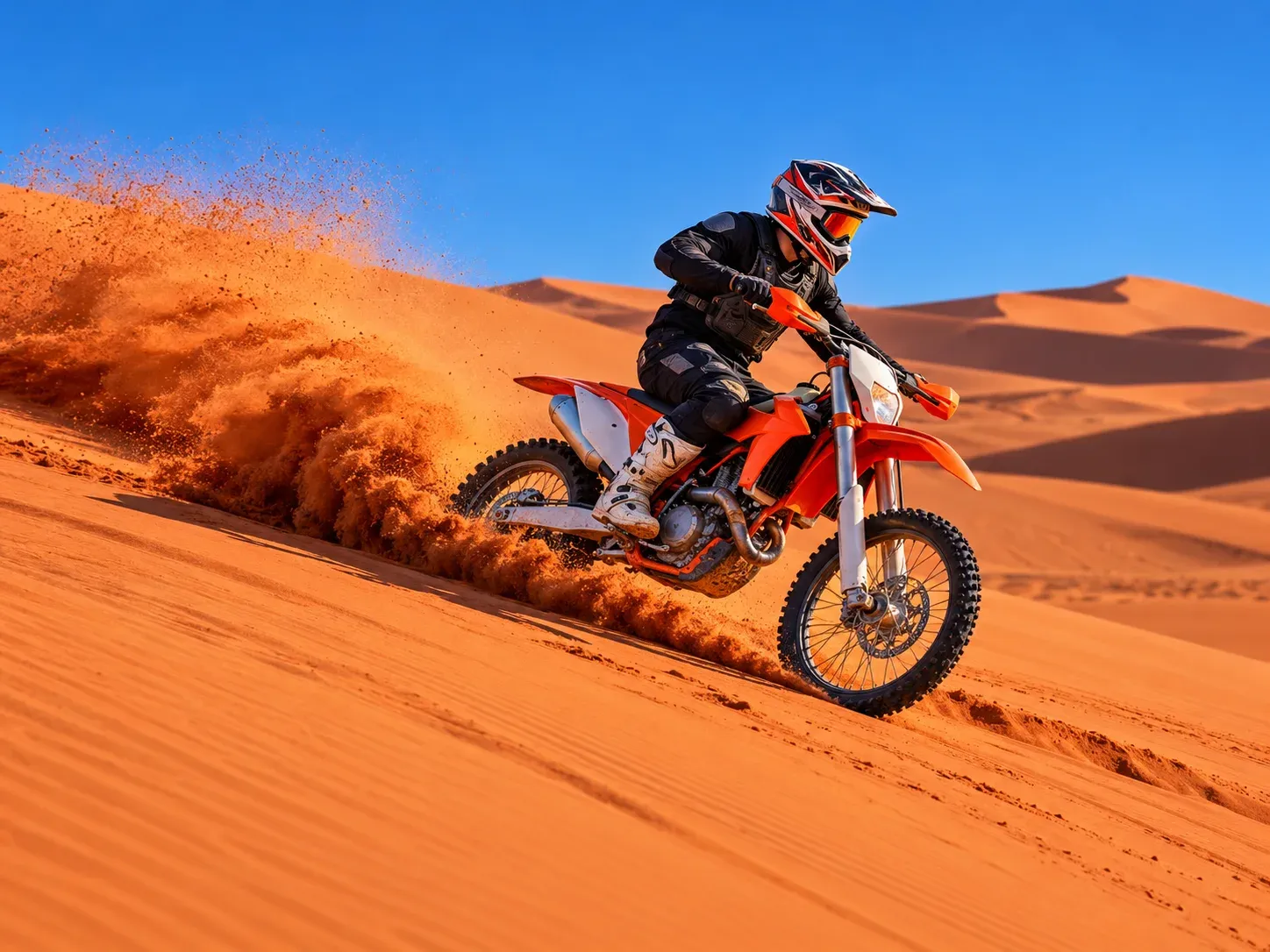
The next step is to be honest about experience. A powerful buggy can be exciting, but it can also be tiring and difficult to manage for someone new to off-road driving. Newer drivers often do better with a machine that has predictable acceleration, clear controls and enough torque to move through sand without constant speed changes.
Experienced drivers may prefer a buggy with a stronger engine type and a more responsive feel. Even then, more power is not always the best answer. In sand, smooth inputs often work better than sudden bursts of speed. The right choice should let the driver stay relaxed, keep a steady line and react calmly when the surface changes.
Consider physical fit as well. The driver should be able to reach the pedals, grip the steering wheel comfortably and see the track ahead without straining. Seat support matters during long rides, especially when the buggy moves over ridges or side slopes. A vehicle that feels awkward before the engine starts will not improve once the dunes begin.
Check the safety equipment before anything else
Safety should shape the decision early, not after all other choices are made. A helmet is basic protection and should fit properly. It should sit level, feel snug without pressure points and stay in place when the head moves. A loose helmet can shift at the worst moment, so fit is just as important as the fact that one is provided.
A safety harness is another key item. Check that it is in good condition, that the straps are not frayed and that the buckles fasten cleanly. The harness should hold the body firmly without restricting normal movement. Twisted straps, damaged stitching or stiff buckles are warning signs. If any part of the safety setup looks questionable, the sensible choice is to step away rather than hope it will hold.
It also helps to ask how the buggy is maintained between uses. Sand, heat and repeated rough driving can wear parts quickly. Steering, suspension, tyres and seat mounts all deserve attention. A machine that is cleaned, inspected and repaired with care is usually a better choice than one that simply looks impressive at first glance.
Look closely at tyres and suspension
Tyres are the link between the buggy and the sand, so they deserve close attention. The tread should be even, with no obvious cuts, bulges or separated sections. Worn or damaged tyres can reduce grip and make steering less predictable. Correct tyre pressure also affects how well the buggy floats over soft sand. Too much pressure can make the vehicle dig in, while too little can cause the tyre to flex excessively or slip on the rim.
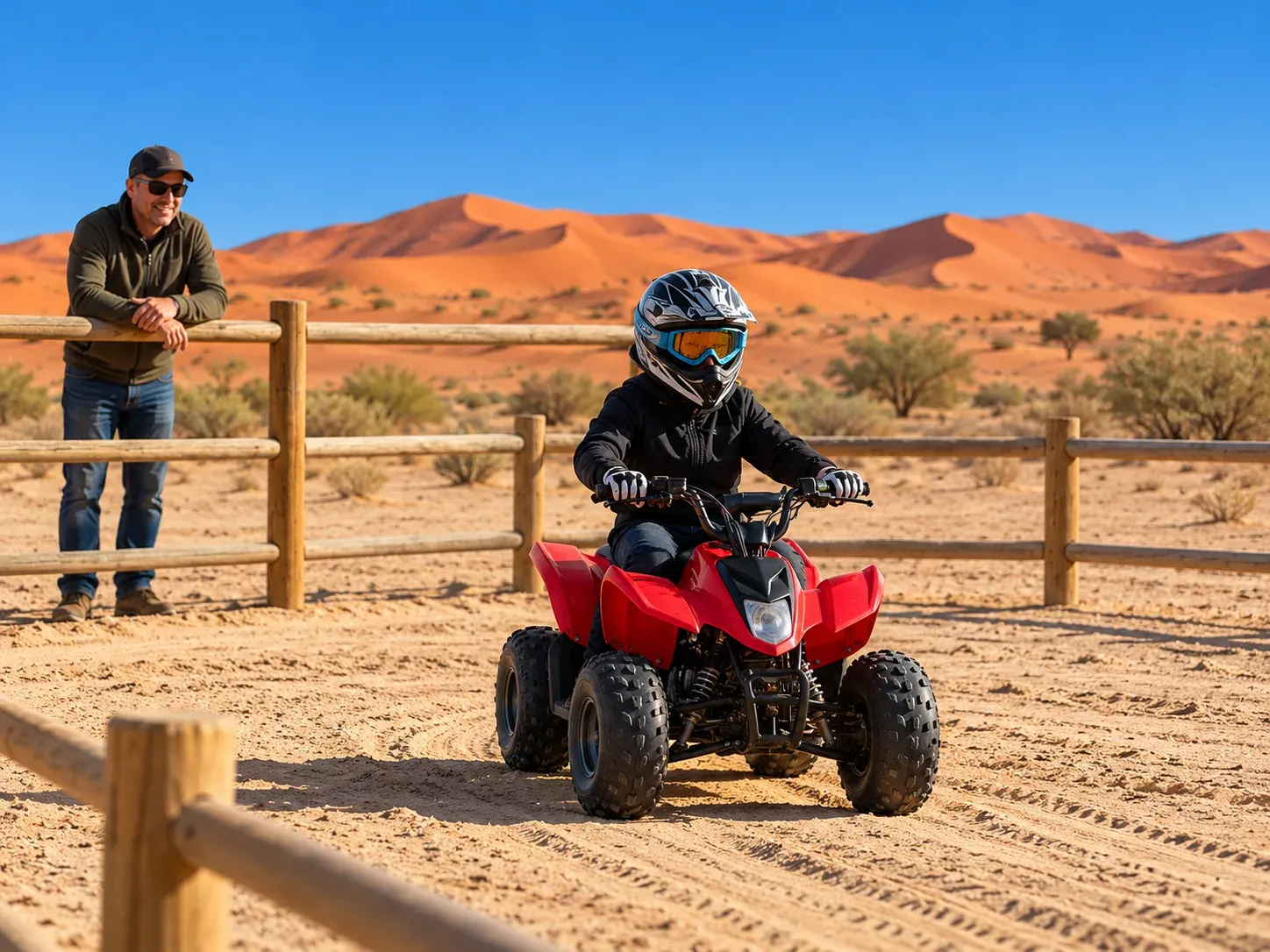
Suspension matters just as much. It absorbs bumps, keeps the tyres in contact with the ground and helps the driver maintain control. Look for shocks that are not leaking and arms that are not bent. Pay attention to how the buggy sits before anyone gets in. Uneven ride height or visible wear may point to a problem that needs professional attention.
Do not try to fix mechanical faults in the field. Issues involving steering, suspension mounts or damaged wheels should be handled by a qualified professional. A simple visual check is useful, but a buggy with unclear mechanical problems is not a good choice for a desert outing.
Understand the controls and driving technique
Before committing to a buggy, take a moment to understand how it is operated. Controls should be easy to identify and comfortable to use. The driver should know where the throttle, brake, gear selector and hand controls are placed. Confusion in the cabin can lead to hesitation, and hesitation on a dune slope can make the vehicle harder to manage.
Good driving techniques matter more than brute force. On sand, smooth steering and steady throttle inputs help maintain momentum. Sharp turns can cause the buggy to slide sideways, especially on loose slopes. Climbing should be done with care, and descents should be approached at a controlled pace. Crossing a slope takes extra caution because the vehicle can slip sideways when grip is uneven.
The buggy should also suit the pace of the group. If others are driving slowly and stopping often to look at the surroundings, a highly responsive machine may be harder to manage at low speed. If the route is long and open, comfort and fuel range become more relevant. A good choice fits the whole outing, not just a single stretch of sand.
Compare comfort and practical details
Comfort has a real effect on safety. Heat, dust and vibration can wear a driver down. Seats should support the back and legs, and the driving position should not force the shoulders or wrists into awkward angles. Wind protection may help on faster routes, while easy entry and exit matter if there will be several stops.
Storage is another practical point. A small bag may be fine for a short ride, but longer trips call for somewhere secure to keep water, sunglasses and personal items. Loose items in the cabin can distract the driver or fall underfoot, so a buggy with a sensible place for essentials is usually easier to live with.

Check visibility too. Dust can build up quickly behind other vehicles, so clear sightlines help the driver read the route and spot obstacles. Mirrors, where fitted, should be secure and adjusted before departure. Any crack or obstruction in the viewing area is a reason to look elsewhere.
Ask the right questions before deciding
A good decision comes from clear answers. Instead of asking only about power or speed, ask about the buggy's condition, intended use and safety equipment. The aim is to understand whether the machine suits the driver and the dunes, not whether it sounds impressive on paper.
- What type of terrain is the buggy best suited to?
- Is the helmet and safety harness in proper condition and correctly sized?
- How are the tyres, steering and suspension checked between rides?
- Are the controls clearly explained before the driver heads out?
The answers should be direct. Vague responses about maintenance or safety are a sign to slow down and compare another option. A buggy should inspire confidence through clear condition, sensible design and a setup that fits the driver. When those pieces line up, the choice becomes much easier and the time in the dunes is more likely to feel controlled, comfortable and enjoyable.